
Ghost Town
How it works
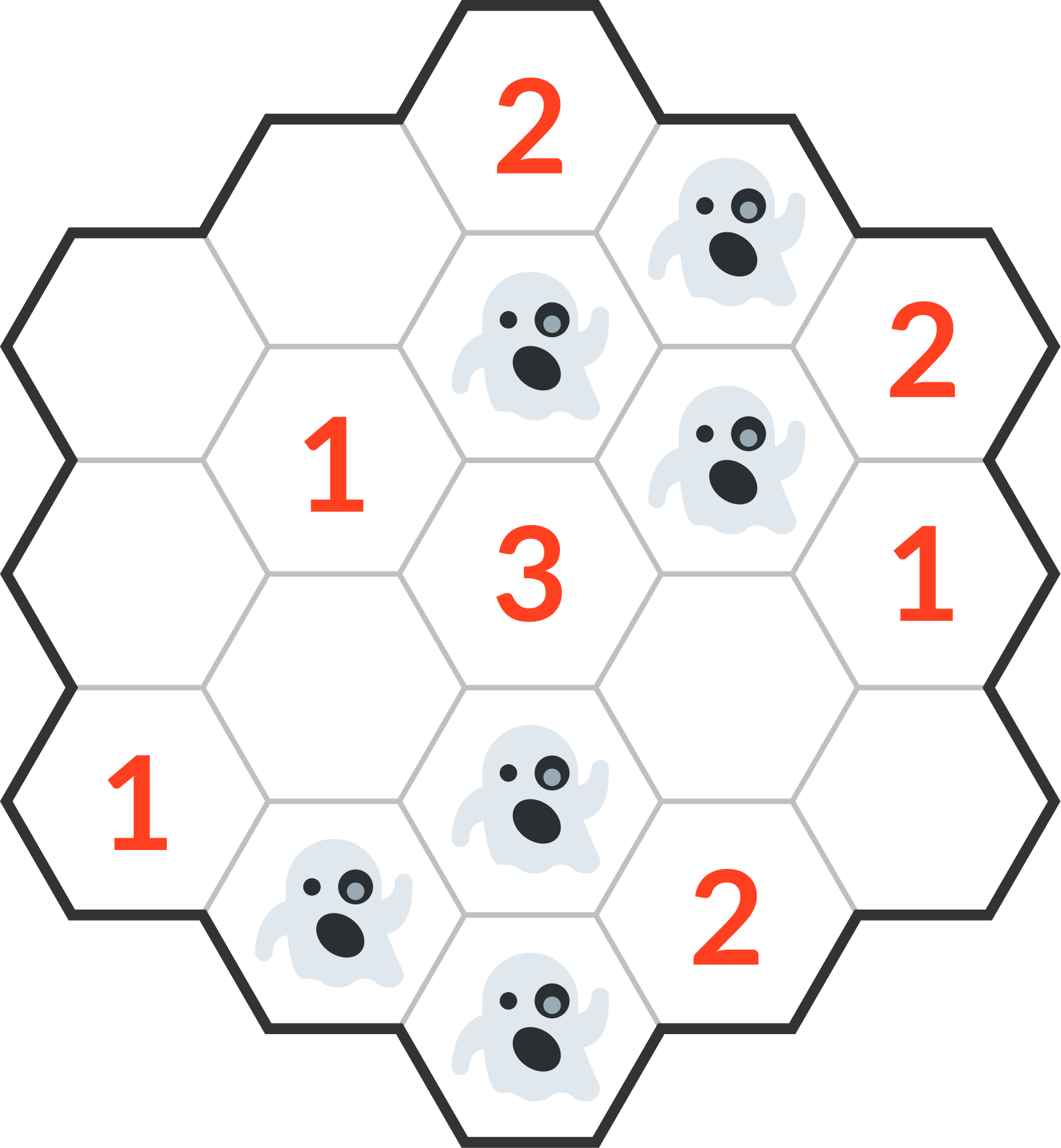
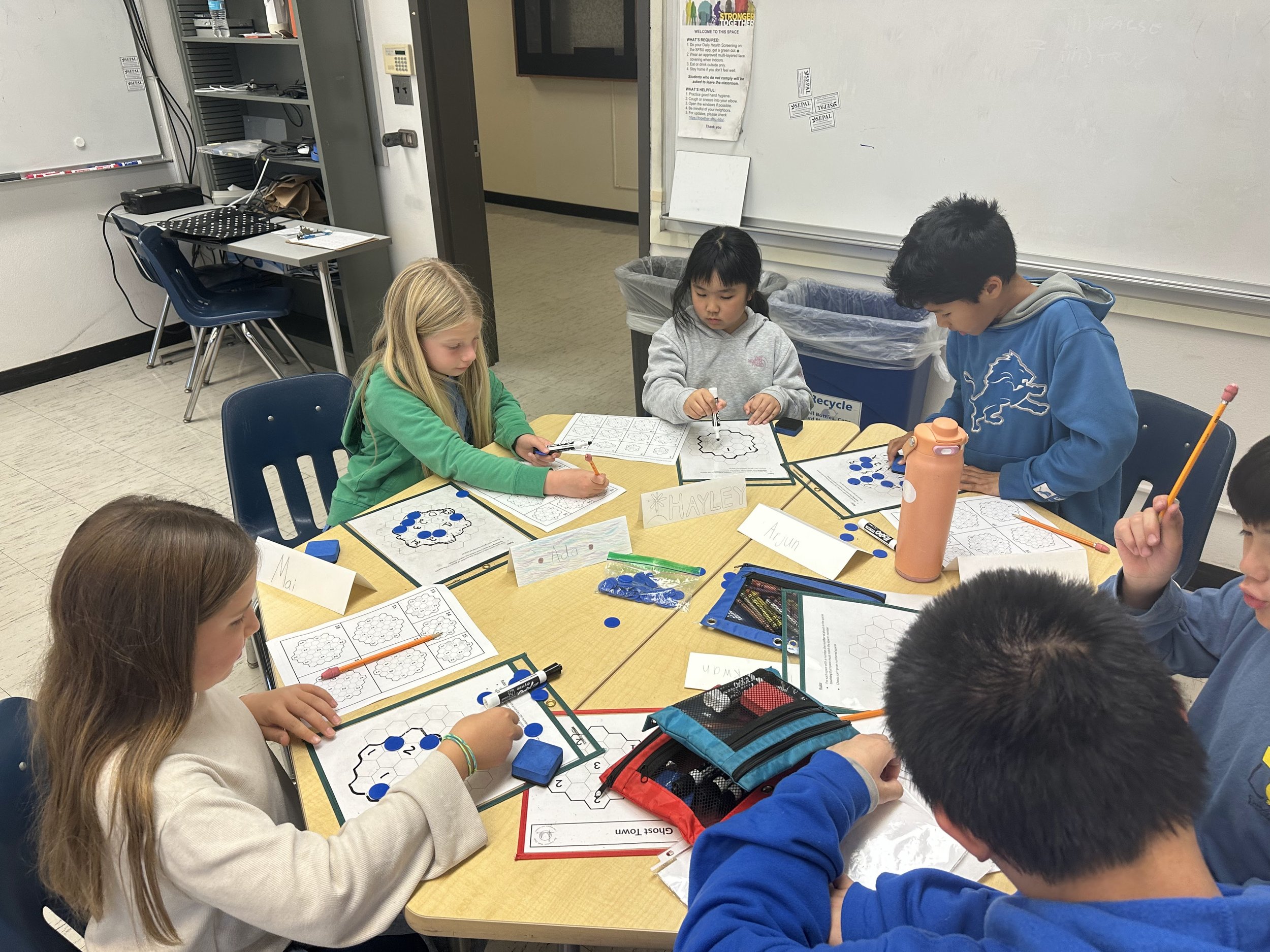
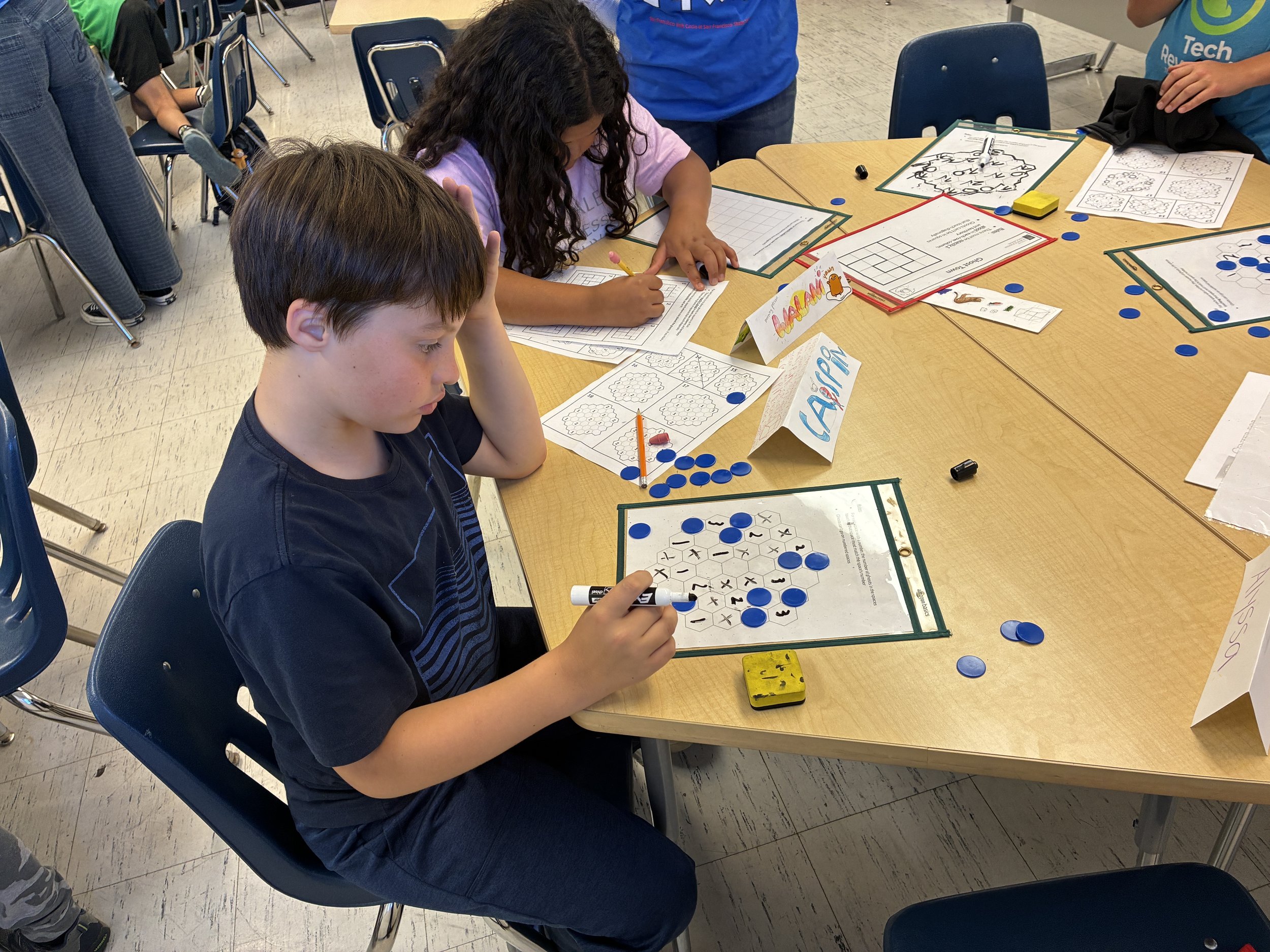
Imagine you are trying to find some ghosts. The ghosts are invisible, but you have some ghost detectors. A ghost detector will tell you how many ghosts are in the vicinity of the detector, but not exactly where they are. Given the readings from a bunch of ghost detectors, can you figure out exactly where the ghosts are?
In this activity, students explore a variety of puzzles based on the ghost detector set-up described above. In each puzzle:
- There are a bunch of hexagons arranged in a grid, some of which have numbers (these are the hexagons where the detectors have been set up, and the numbers are the readings from the detectors).
- For each hexagon with a number, the number of ghosts in the hexagons touching that space must match the hexagon's number.
- Ghosts can't go on numbered hexagons.
If there is time, students also explore a different type of puzzle. In these puzzles, there is a grid of squares divided up into territories, and the goal is to place ghosts in the squares while following the rules below:
- There must be exactly 1 ghost in each row, column, and territory.
- Ghosts can't be in squares that touch diagonally.
Ghost Detector Puzzles handout
Territorial Ghosts Puzzles handout
Why we like this activity
It’s fun! Students enjoy trying to solve the puzzles.
It helps students to develop logical reasoning.
It requires students to engage in mathematical habits of mind:
- Using logic to figure out where ghosts can and can't go
- Finding and using strategies to solve puzzles without guessing
- Using logic and understanding and explaining when trying to determine which puzzles are impossible
It has a low floor and a high ceiling: Students can get started exploring via trial and error, but as the puzzles get more challenging, it's useful to develop more effective strategies.
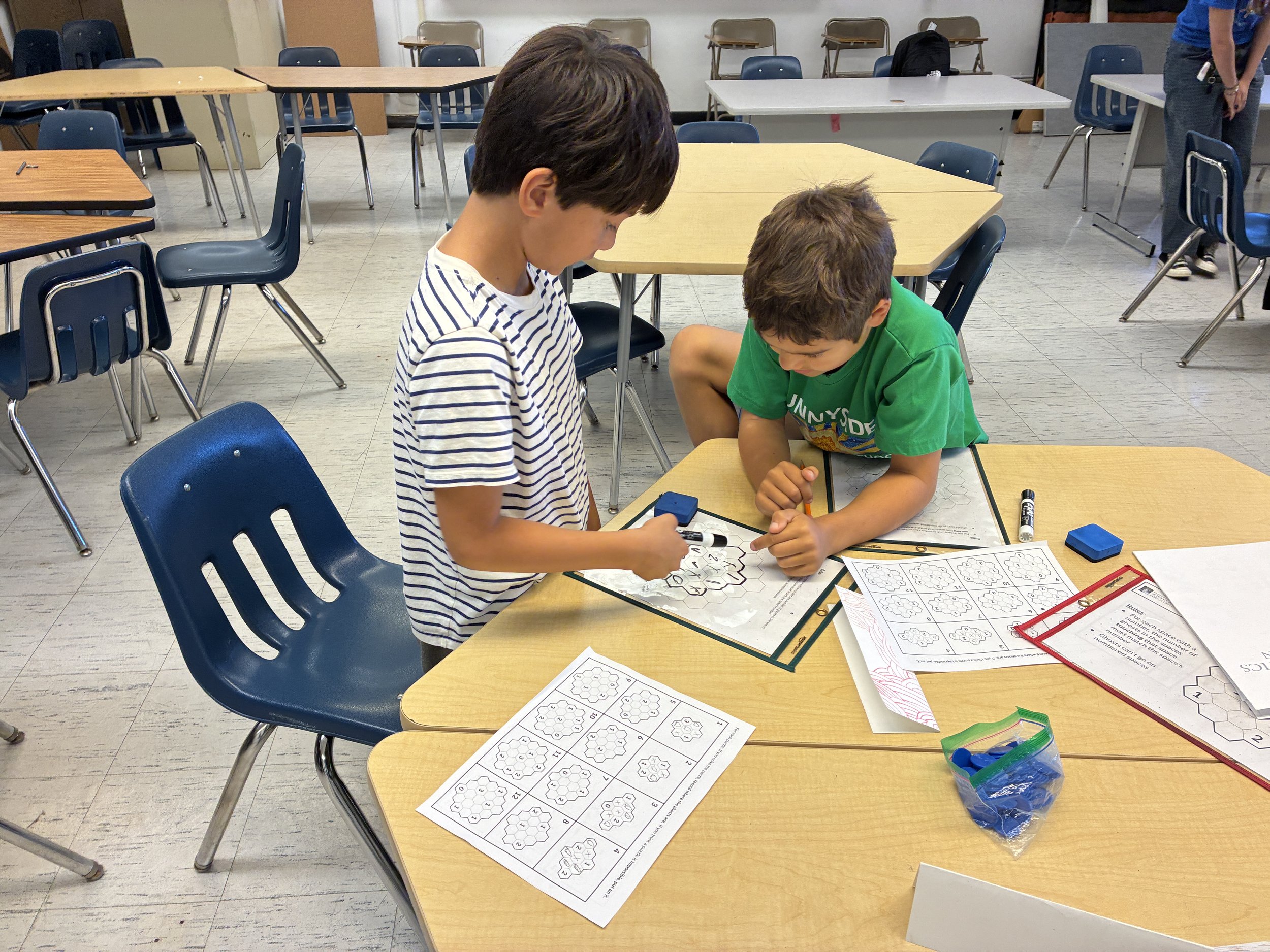
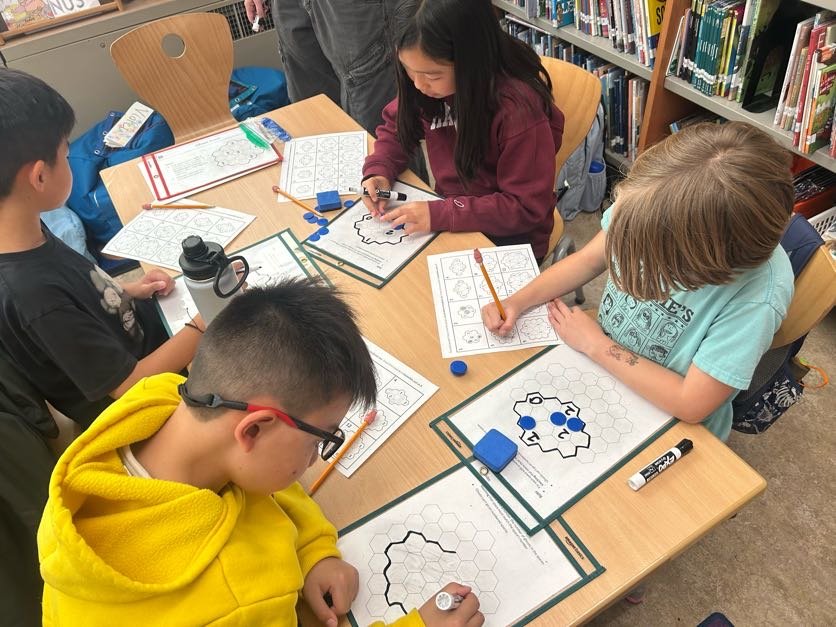
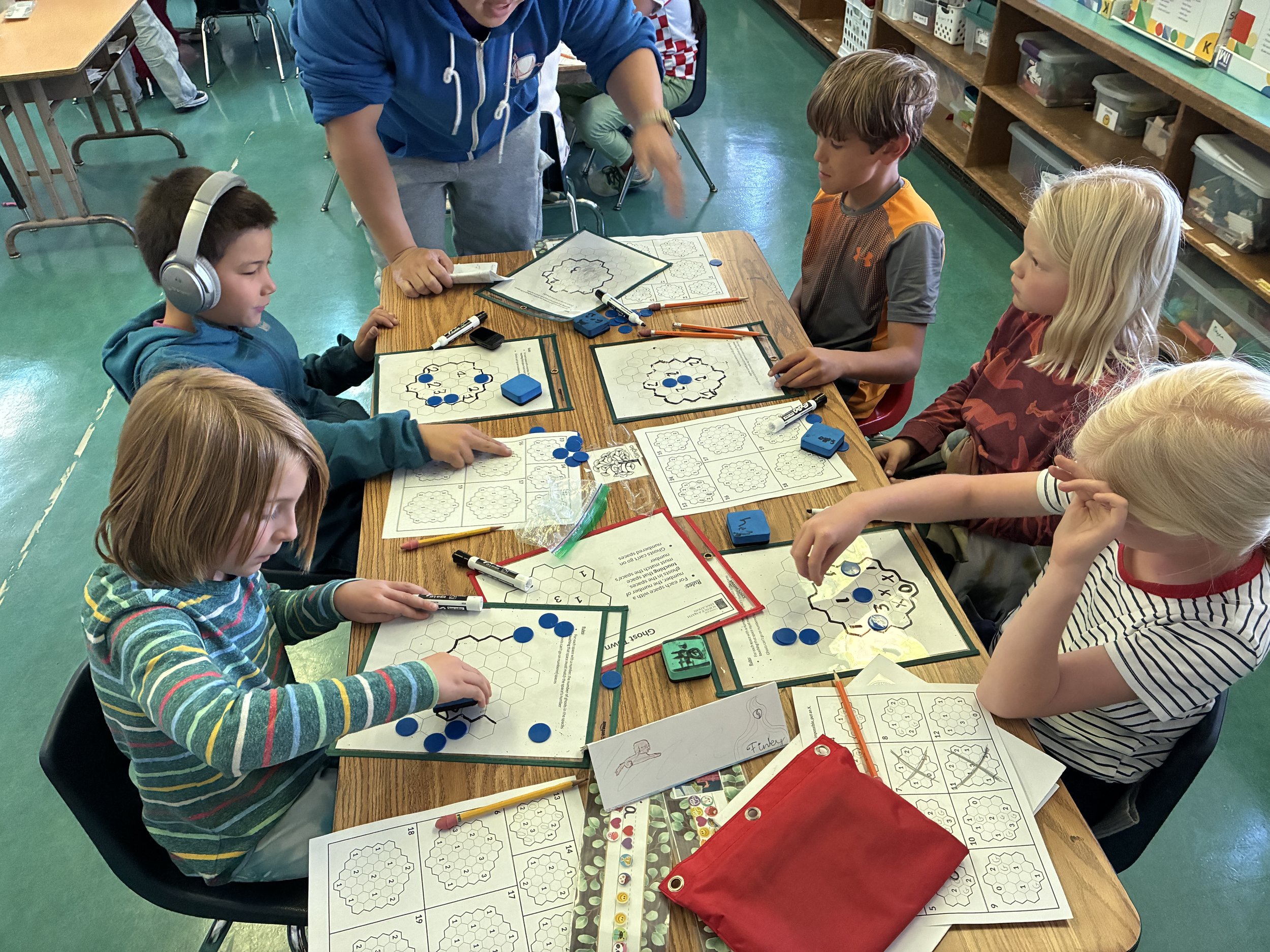
This activity was adapted from the Julia Robinson Mathematics Festival's activities Honey Bears and Star Battle.